Why EV Hardware Timelines Slip in India, and How Teams Can Get Back on Schedule
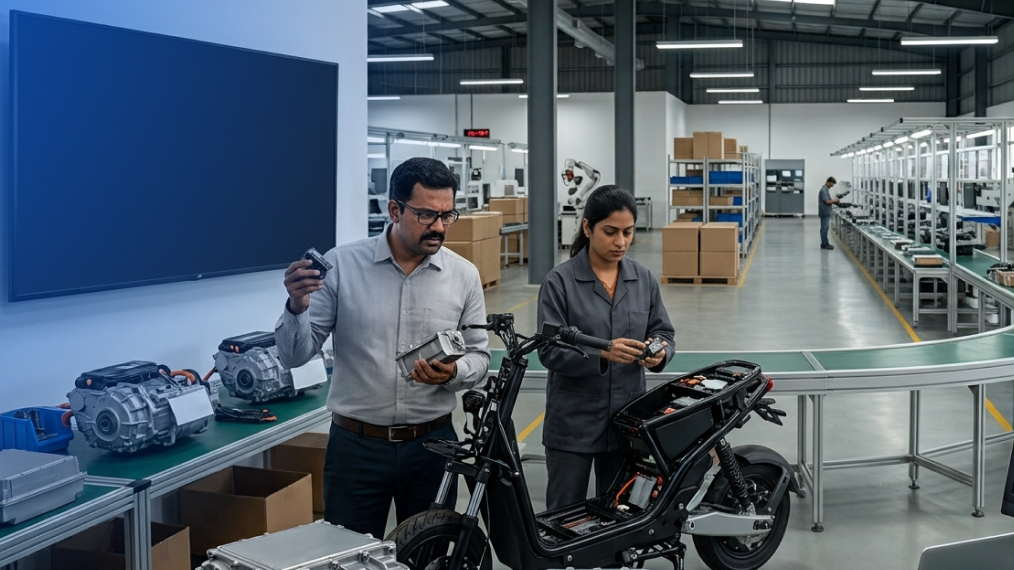
Ask any hardware lead at an Indian EV company how their schedule is going, and you'll likely hear a pause. A board meant to ship in six weeks takes ten. A vendor that promised parts in 30 days comes back in 55. Somewhere between the design file and the factory floor, timelines keep slipping, and it's rarely because teams aren't working hard enough.
EV hardware is one of the most unforgiving categories in electronics manufacturing today. It combines high-voltage power systems, battery management, motor controllers, and sensor-heavy embedded systems into a single product, while the underlying supply chain is still maturing. That mix creates delays that are structural, not accidental.
In this article, we'll discuss why Indian EV hardware teams are constantly facing manufacturing delays and what improvements they can make to meet the important deadlines in the competitive EV industry.
The Real Problem Isn't Effort, It's Fragmentation
Most EV hardware teams in India aren't missing deadlines because of poor engineering. They're missing them because building an EV component is split across too many disconnected players: design in-house, fabrication with one vendor, assembly with another, and sourcing run by a separate team juggling spreadsheets. Each handoff adds a few days of waiting or a mismatched expectation.
This is where electronic product development starts to break down in practice. On paper, the workflow looks linear: design, prototype, validate, manufacture. In reality, it's a series of stop-and-start conversations between people who don't share the same data. A single BOM revision might travel through three vendors before everyone's numbers line up, and across a full EV module, weeks disappear fast.
Electric Vehicle Components: Still the Biggest Blind Spot in Sourcing
Ask any EV firm where their timelines genuinely break, and the answer usually begins with sourcing. Automotive-grade semiconductors, MOSFETs, battery management ICs, and connectors remain in restricted global supply, with Indian manufacturers typically lower on the priority list than larger buyers. One missing part can stop an entire production run.
That's precisely why electric vehicle components need far more visibility than teams have today. Most companies don't realize there is a gap until a vendor fails to deliver, too late to respond intelligently.
Then you may either pay a premium for the faster stock, redesign around a substitute part, or just wait. Industry estimates show that components alone are delaying EV hardware timescales by 20 to 30 percent.
Where Technical Complexity Adds Hidden Delays
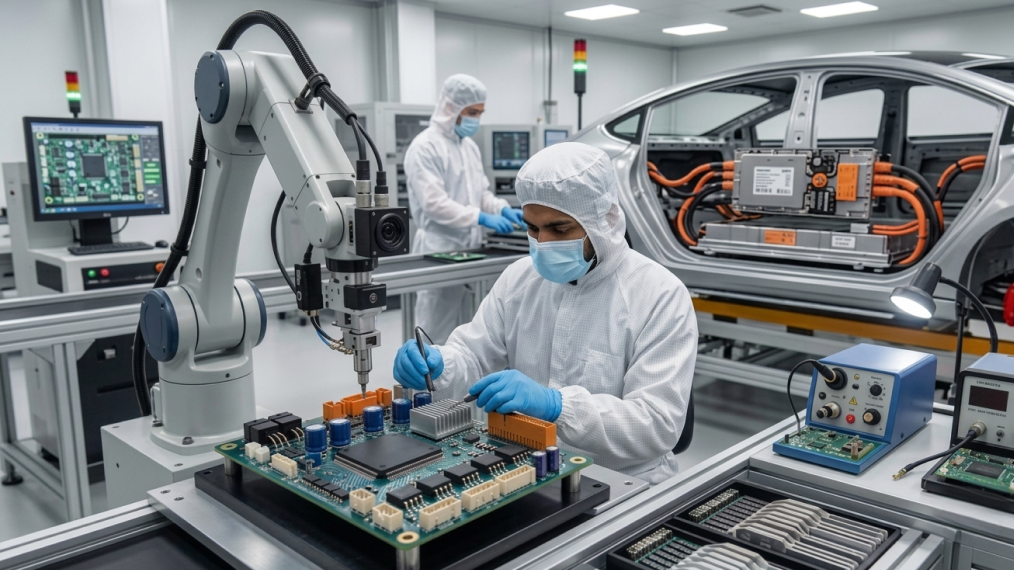
Building an EV component is not like building a typical consumer product. Because electric vehicle components are carrying higher current loads and have tougher safety requirements, validation takes longer for every design choice. Some realities often underestimated:
- DFMA review usually happens too late, with teams checking manufacturability only after a design is finalized, when doing it early would catch layout issues before they turn into costly rework.
- BOM optimization is often treated as a one-time task rather than an ongoing discipline, even though component prices and availability shift constantly.
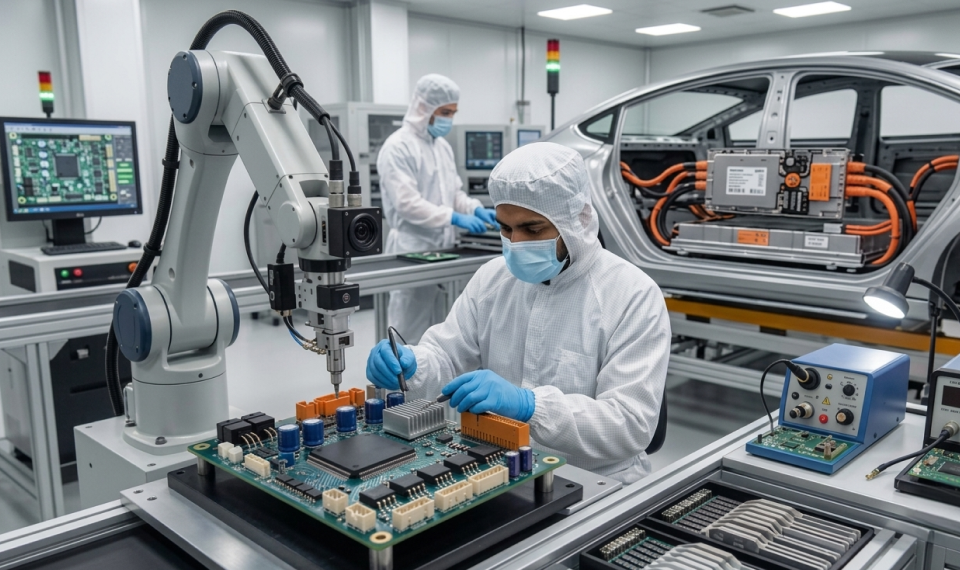
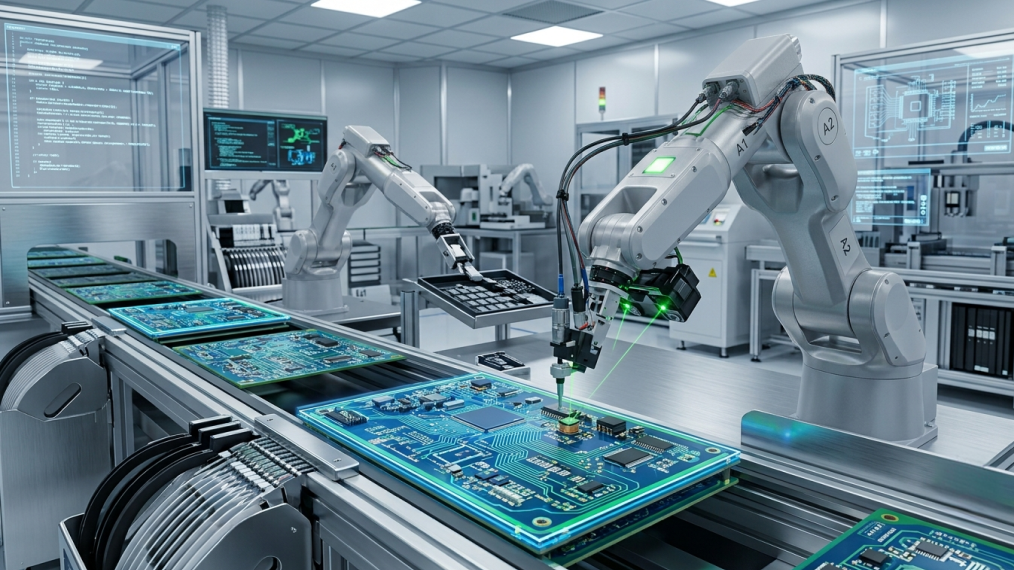
- PCB assembly for EV boards needs specialized handling, including higher current-carrying tracks and stricter quality checks that not every partner can manage without delay.
- Embedded systems integration, including firmware validation for battery management, often gets scheduled as an afterthought despite being one of the most time-consuming steps.
These concerns are rarely seen in isolation. They come up one after the other, and the total slip is the tale of the entire program, the very friction that holds up EV product development across the industry and not just in India.
What Actually Helps Teams Get Back on Schedule
Teams that regularly achieve their deadlines do a few things differently: They build supply chain visibility from day one; they get manufacturing partners involved early during design rather than after prototypes are locked; and they lean on EMS services that take care of sourcing, fabrication, and assembly together.
Just as importantly, successful EV product development makes data a shared resource across teams. When engineering, procurement, and manufacturing look at the same live BOM and vendor status, decisions get made faster with fewer surprises.
Teams that treat electronic product development as one connected process, not a relay between disconnected departments, stay closer to their original launch dates as India's electronics manufacturing base matures.
Why Hardware Teams Choose Elecbits for End-to-End Electronics Manufacturing
Elecbits is a full-stack electronics hardware company connecting design, sourcing, and manufacturing so hardware teams stop losing weeks to fragmented handoffs.
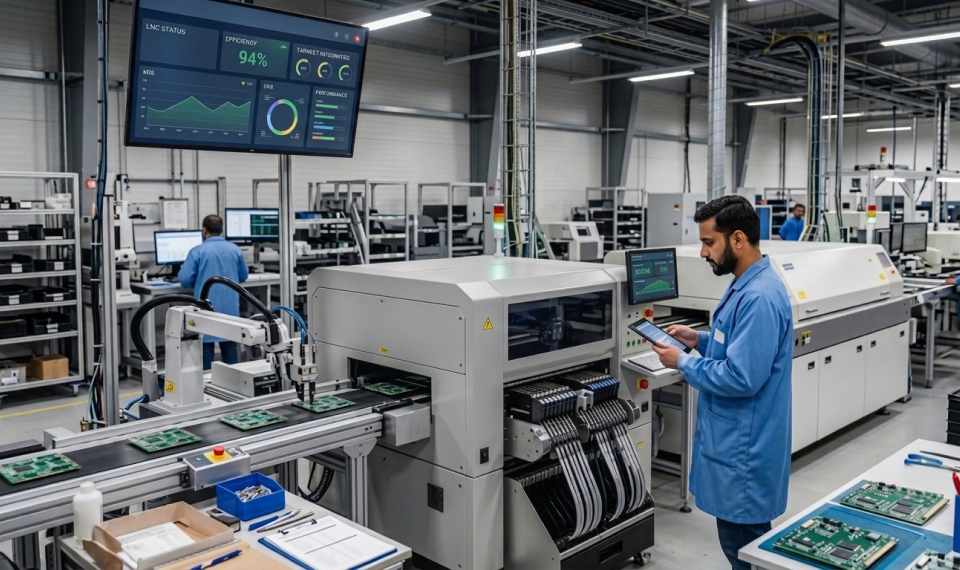
With Elecbits XOR, our AI-powered platform, teams can upload a BOM in one place and get real-time prices, component insights, and manufacturability checks — instead of waiting days for vendor replies. XOR is backed by a database of over 7 million components and a network of 200+ verified manufacturers, enabling electric vehicle components sourcing decisions based on actual availability, not speculation.
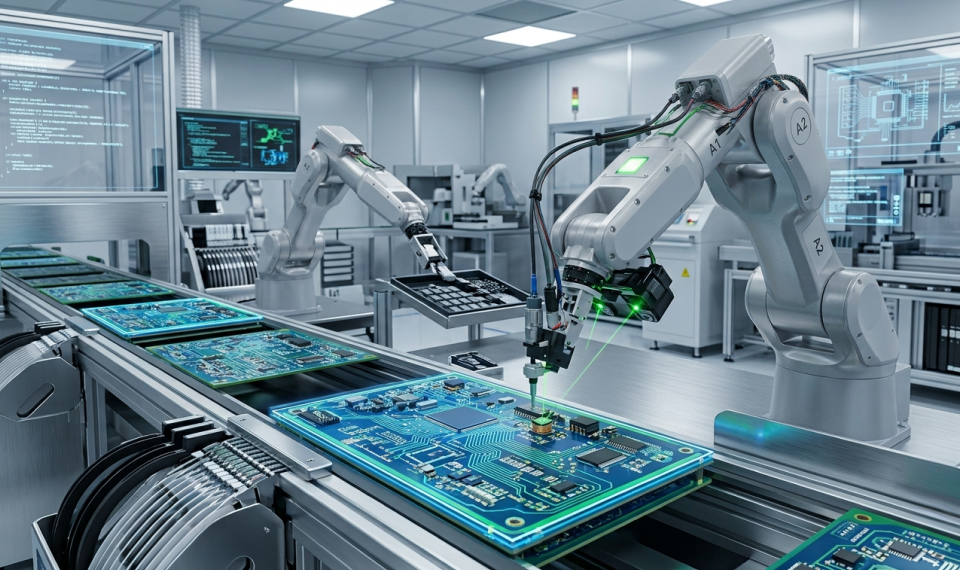
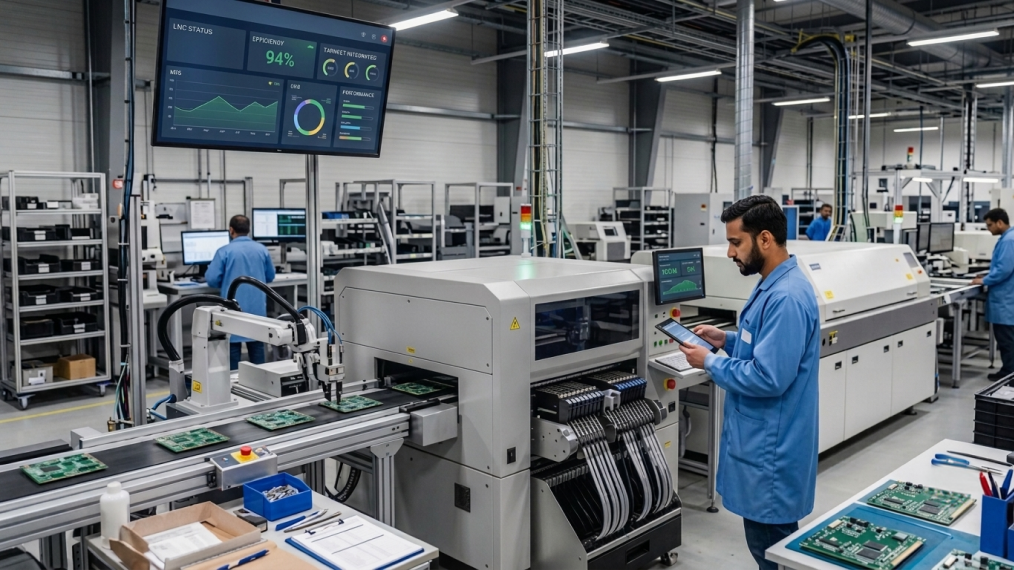
We also do automated DFM analysis as soon as we receive your Gerber files, spotting potential layout hazards before we ever fabricate a single board and saving our clients from costly redesign cycles. Teams working with us have seen up to 30% faster manufacturing turnaround and up to 20% cost reduction, largely because sourcing, fabrication, and assembly run on one connected workflow.
As one of the trusted EMS services built to handle design, sourcing, and electronics manufacturing under a single roof, Elecbits gives hardware teams one point of accountability, with full tracking from order to delivery.
Summary
India's EV hardware ecosystem is still in its nascent stage, and certain growing pains are expected. But as more electronics manufacturing moves domestic and platforms like Elecbits combine sourcing, design, and production onto shared systems, the gap between planned and real timeframes should start to shrink.
Companies that prioritize visibility in their BOM, vendors, and manufacturing partners will set realistic launch deadlines, treating electronic product development as one connected discipline rather than a relay of disconnected vendors.



 Resources Quality standards Reliable methods to keep our quality consistent. Blog Deep dive into market-moving trends.