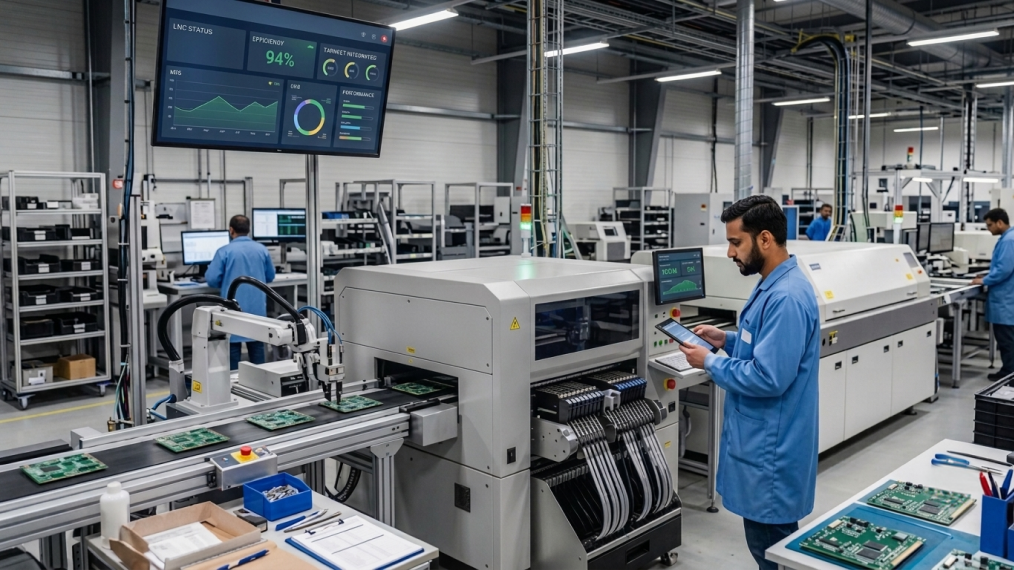
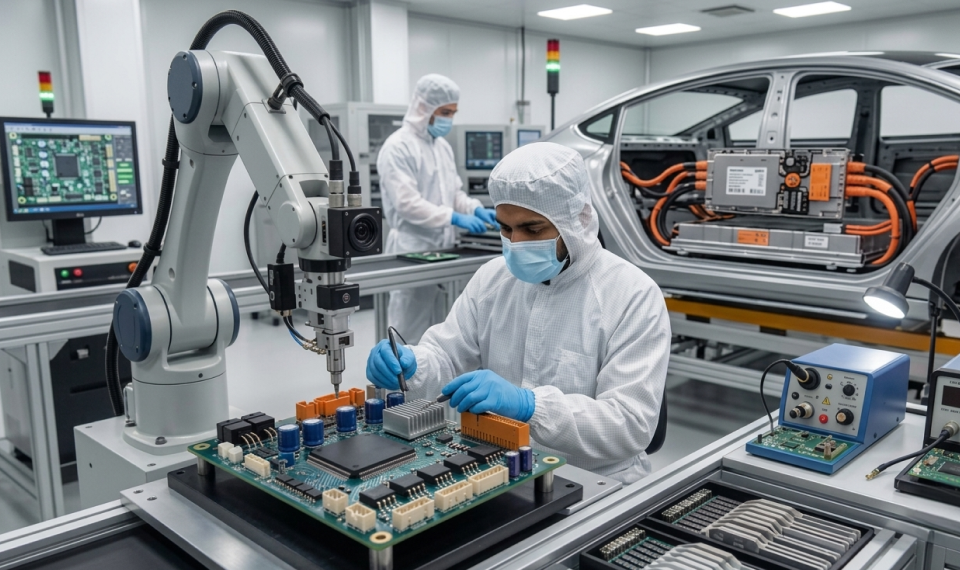
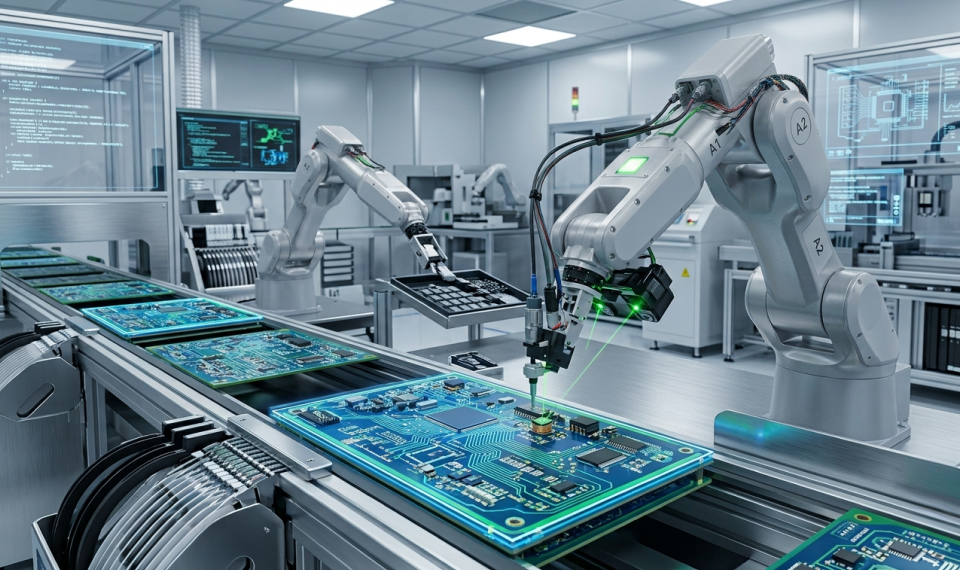
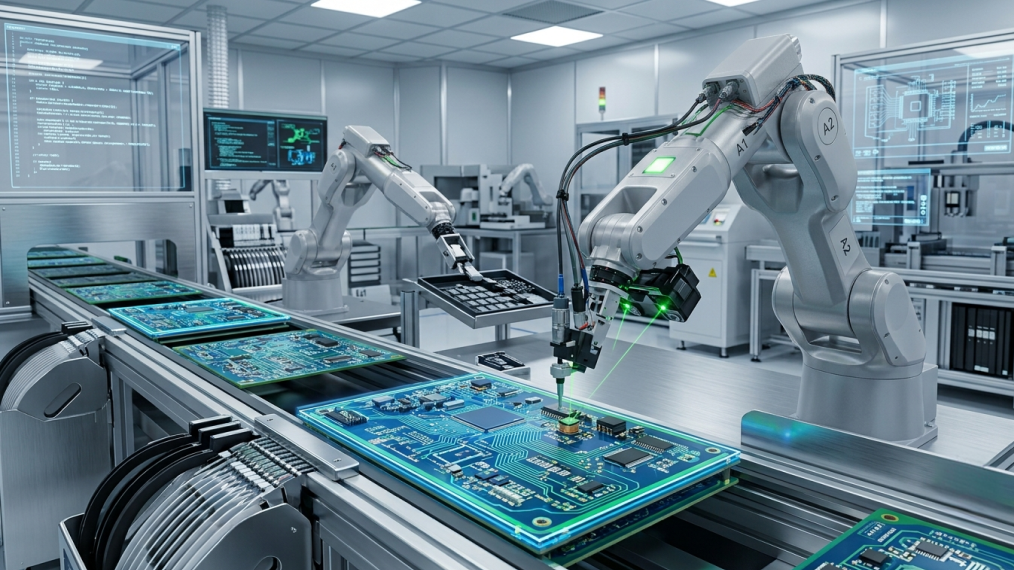
A PCB can look inexpensive on paper yet become expensive on the production floor. A hard-to-source MCU, too many unique component values, an unusual package, or a last-minute substitute can increase assembly time, procurement effort, inventory, and rework.
The BOM sits at the center of that problem in production. It connects engineering choices with sourcing, assembly, quality, and delivery. When treated as a living manufacturing document rather than a static spreadsheet, costs become easier to control.
That is where BOM optimization matters. Done early, it can improve manufacturability, purchasing leverage, supply continuity, and scaling economics. It gives supply chain teams visibility before production gets tight and makes scaling less painful for hardware teams during major launch, scale, and growth cycles. This discipline is also one of the foundations of a well-run turnkey manufacturing process, where sourcing and assembly decisions are made together rather than in isolation.
Why the BOM Has Such a Big Cost Impact
A bill of materials PCB is more than a list of part numbers and quantities. It tells the manufacturer what must be purchased, placed, soldered, tested, and replaced when a component reaches end of life.
Consider a controller board using 18 capacitor values. If several can be standardized without affecting performance, procurement and feeder setup become simpler.
A practical BOM review should examine:
- Availability: Long lead times or obsolete parts create risk.
- Package selection: Common packages simplify placement.
- Alternates and quantities: Second sources improve purchasing flexibility.
Where BOM Reviews Cut PCB Assembly Costs
Savings come from removing complexity, not simply finding the cheapest component.
1. Standardize Where the Circuit Allows It
Prototype builds reward speed; production rewards repeatability. Standardizing resistors, capacitors, connectors, and common IC families can reduce unique line items, procurement transactions, kitting effort, and placement errors.
2. Design for Manufacturing, Not Just Function
DFMA should enter the conversation before the first production quote. A component may meet its electrical specification while creating an awkward assembly process. Mixing package sizes or using an uncommon connector can add handling and inspection effort. PCB assembly teams can flag footprint, thermal, or placement concerns missed during schematic review.
3. Reduce Supply Chain Risk Early
The manufacturing bill of materials should reflect sourcing reality. A preferred component with one supplier, a 40-week lead time, and volatile pricing may not be the best production choice. Track lifecycle status, distributor availability, lead time, minimum order quantity, validated alternates, and price movement. This gives supply chain leaders a clearer view of shortage risk.
4. Watch the Hidden Cost of Substitutions
A cheaper substitute is not automatically cheaper. It may trigger firmware validation, EMC testing, thermal checks, PCB changes, or another engineering spin. Ask: “What is the total cost of using this part across design, qualification, manufacturing, and support?”
Make BOM Reviews Part of the Product Lifecycle
There are different bills of materials types across engineering and manufacturing workflows, and confusion between them can cause costly handoffs. An engineering BOM may describe product structure, while a manufacturing BOM is organized around how the product will actually be built.
For scalable hardware, review the BOM at these stages:
- Prototype: Identify sourcing and manufacturability issues.
- Design freeze: Lock approved components, alternates, footprints, and revisions.
- Pilot and production: Compare actual assembly behavior, pricing, yield, availability, and lifecycle changes.
- Sustaining engineering: Revisit the BOM when suppliers, components, or volumes change.
How Product Teams Can Build a Cost-Optimized BOM
Start with high-value, high-risk components. An MCU, power semiconductor, connector, memory device, or sensor deserves more attention than a low-cost passive.
Ask:
- Can components be consolidated?
- Is the package appropriate for assembly?
- Does every critical part have a qualified alternative?
- Are premium materials or finishes necessary?
- Does expected volume justify the selected component?
If you are evaluating component choices before production, product development consulting can help connect engineering decisions with sourcing, manufacturability, and long-term assembly costs. For teams weighing whether to manage these steps separately or hand them to one partner, it's worth comparing against a turnkey electronics manufacturing approach.
How Elecbits Helps Reduce PCB Assembly Costs Through BOM Optimization
Elecbits is a full-stack electronics design and manufacturer helping businesses make better component and manufacturing decisions before they become expensive production issues. By connecting engineering, sourcing, PCB manufacturing, assembly, and testing into a single workflow, Elecbits helps teams look beyond individual component prices and understand the wider cost impact of their BOM choices.
Elecbits XOR, our AI-based solution, facilitates the BOM analysis process by providing live component availability, pricing information, supplier data, and alternative parts. Teams can import their BOM and discover sourcing challenges along with simplification possibilities for their components.
Our connected product engineering services help reduce sourcing delays, avoid unnecessary redesigns, and make PCB assembly more predictable. Instead of managing separate engineering and manufacturing partners, businesses can work through one ecosystem, making cost optimization part of the product development process rather than a last-minute exercise.
Conclusion
PCB cost optimization is rarely one dramatic negotiation. It is usually the result of sensible decisions made before production starts.
A cleaner BOM reduces purchasing friction. Better component choices improve manufacturability. Qualified alternatives strengthen supply chain visibility. Early DFMA can prevent the expensive moment when a design that worked in the lab meets a production process it was never designed for.
That discipline turns the BOM into a cost-control tool for scaling teams.



 Resources Quality standards Reliable methods to keep our quality consistent. Blog Deep dive into market-moving trends.