Electronic Component Sourcing: Building Resilient Hardware Manufacturing
Bringing a hardware product to market has never been only about engineering. Today, success depends equally on having the right components available at the right moment. The absence of a single electronics component can set back the assembly of PCBs, adding to the cost of production and delaying product releases by months.
The challenge is not just for the big manufacturers. Startups, consumer brands, and enterprise hardware companies are all under the same pressure. Supply chain disruptions, shifting demand, component shortages, and lengthier lead times have made sourcing a strategic activity, rather than a simple task of purchase.
In this article, we look at how electronics businesses are transforming their operations, mitigating supply chain risks and creating more resilient production approaches, all without compromising innovation.
Why Shortages Continue to Impact Hardware Manufacturing
The global electronics industry has recovered from peak disruption, but supply chain pressures have not gone away. The increasing infrastructure for AI, electric vehicles, automation, and internet-connected devices continues to fight over the availability of semiconductors. In fact, Gartner expects global semiconductor revenue to reach $1.3 trillion by 2026, while prices for memory components will continue to be under pressure due to high demand.
An electronics component shortage rarely impacts just one product. When a power management IC or microcontroller is no longer available, entire product lines are delayed as every part in the design depends on another. This is especially true in consumer electronics product development when launch timing is connected to seasonal demand and competitive market windows. Companies have learned that reacting after shortages appear is no longer enough.
BOM Optimization Has Become an Engineering Strategy
Many firms now assess product designs before the commencement of manufacturing, rather than waiting until the start of procurement.
That's where BOM optimization adds tangible value. When engineering teams develop the Bill of Materials, they evaluate the availability of components, their lifecycle and cost trends, and approved substitutes. The goal is to minimize reliance on components that are difficult to get, without compromising product performance.
Modern design techniques apply DFMA concepts with lifecycle analysis to help engineers simplify PCB assembly, save redesign cycles, and boost manufacturing flexibility. Successful firms connect sourcing and engineering together from the start of the design process, rather than having them as separate divisions.
How Electronics Companies Are Diversifying Component Sourcing
Many firms used to depend on a single distributor or region for key components. The recent disruptions highlighted the dangers of this approach.
Today, electronic component sourcing means vetting several vendors, regional distributors, and approved alternatives before production. Companies also maintain a preferred vendor list for high-risk categories such as processors, memory devices, connections, and power components.
Having more than one electronic components supplier minimizes reliance on one supply stream and provides greater flexibility in procurement when shortages occur.
Regional sourcing has also become increasingly frequent as shorter logistical networks tend to increase delivery reliability and reduce transportation hazards.
Data Is Driving Better Procurement Decisions
Now, procurement teams are using real-time market intelligence rather than historical purchasing patterns.
Before orders are released, lead times, inventory availability, price fluctuations, lifecycle alerts, and geopolitical developments are constantly watched. This makes for a stronger procurement strategy that responds rapidly to changing market conditions, rather than reacting after delays have happened.
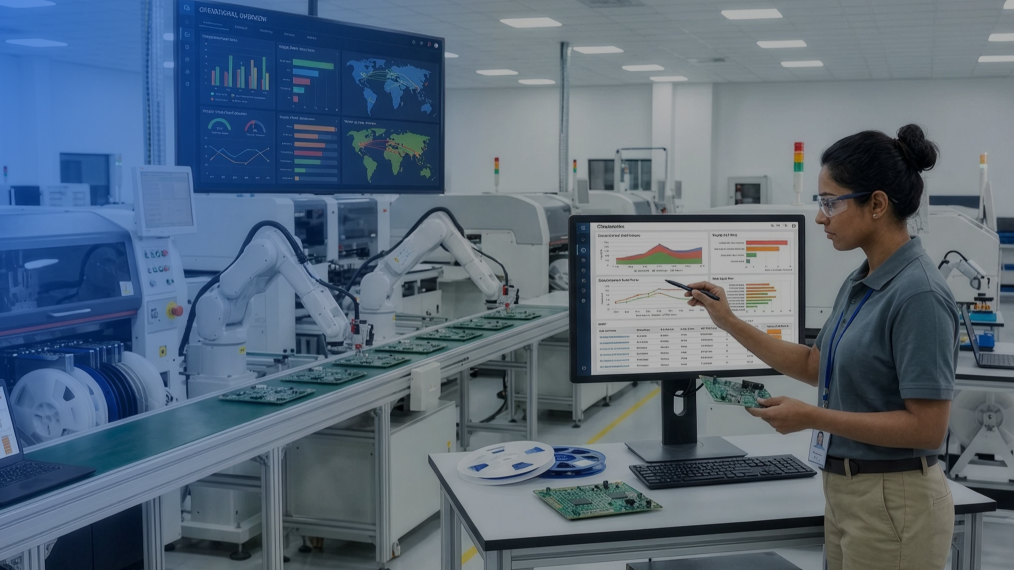
Companies also employ digital dashboards to drive supply chain visibility across engineering, sourcing, and manufacturing departments. Everyone is working off the same information, minimizing communication gaps during production planning.
This shift allows purchasing teams to identify sourcing risks weeks before they affect manufacturing schedules.
Consumer Electronics Product Development Requires Flexible Design
Fast product launches remain essential in competitive markets. At the same time, hardware teams understand that rigid product designs create unnecessary sourcing risks.
During consumer electronics product development, engineers increasingly qualify substitute parts before prototypes are finalized. Firmware, embedded systems, PCB layouts, and validation plans are developed with approved alternatives in mind.
This flexibility reduces redesign work when availability changes during production. The same thinking also improves long-term product support because replacement parts remain easier to source throughout the product lifecycle.
AI Demand Is Reshaping Component Availability
Another big business transformation is coming from artificial intelligence infrastructure. According to the World Semiconductor Trade Statistics organization, the semiconductor market is expected to hit $1.5 trillion by 2026, mostly driven by memory and AI computing demand.
With increasing production capacity being committed toward AI processors and enhanced memory, lead times for electronics components are lengthening for many typical industrial and embedded products.
In response, companies are improving forecasting, increasing inventory planning, and building better partnerships across their supply networks. Rather than assuming stable availability, businesses now plan sourcing decisions months before production begins.
How Elecbits Supports Smarter Hardware Manufacturing
Managing component shortages effectively is not just about finding available parts, it requires connecting design, sourcing, and manufacturing decisions from the start. Elecbits provides end-to-end electronics engineering and manufacturing services to help hardware firms mitigate supply chain risks and stay on schedule with product development.
What sets us apart is Elecbits XOR, our AI-powered electronics engineering and manufacturing platform. It provides rapid quotes, intelligent BOM optimization, smart part suggestions, real-time component intelligence, and end-to-end supply chain insight. This allows engineering and procurement teams to make faster data-driven decisions, eliminating sourcing risk and costly redesigns.
We combine engineering, sourcing, and manufacturing together in one ecosystem to help firms design resilient products and cut production delays. This holistic approach has made Elecbits a trusted partner for leading brands like Motherson, Ola Electric, Siemens and Maruti Suzuki for their electronics development and manufacturing needs.
Summary
Electronic component shortages are no longer viewed as temporary annoyances. It's an integral part of the electronic component sourcing strategy. Businesses with engineering foresight, diverse suppliers, visibility throughout their supply chain, and digital planning have become more resistant to future uncertainties.
The organizations that succeed won't only buy parts faster. They will create smarter goods, construct stronger supplier networks, and make sourcing decisions earlier in the development cycle. These capabilities result in more dependable manufacturing and promote sustainable growth in a more competitive electronics market.



 Resources Quality standards Reliable methods to keep our quality consistent. Blog Deep dive into market-moving trends.