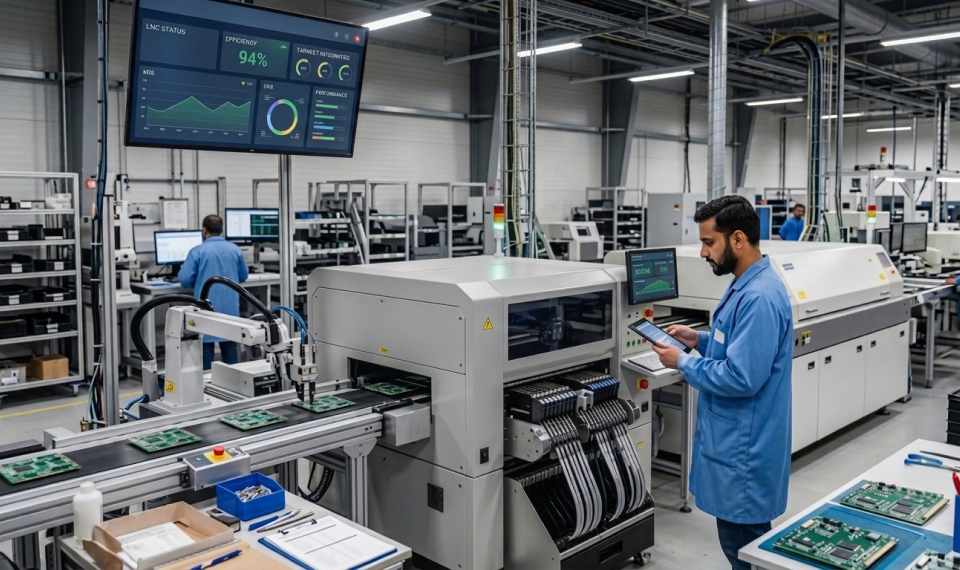
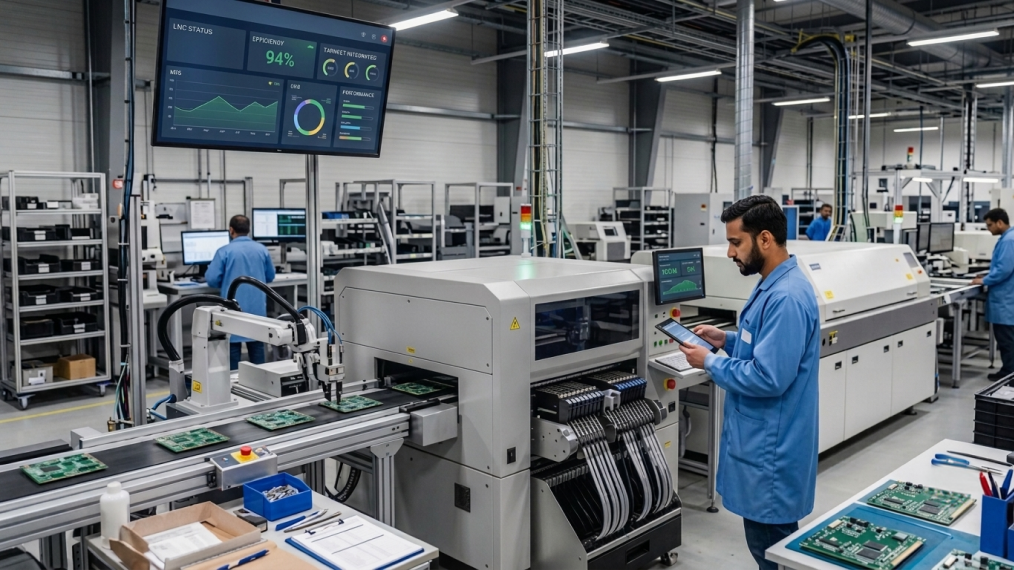
The production line will not necessarily stop because of a big event. In most cases, the production halt begins with small issues in the process. For example, an important IC is late, or the supplier shifts the delivery period for some reason, or a component in the BOM suddenly becomes difficult to source. By the time the problem comes back to the production team, it might already be too late.
This is why supply chain solutions matter for electronics manufacturers. They bring together information from suppliers, procurement, inventory, production, and logistics so teams can see what is happening before a small disruption becomes a costly delay. For hardware companies managing complex BOMs and tight production schedules, better visibility can mean faster decisions, fewer surprises, and more control over scaling.
Why Electronics Supply Chains are Difficult to Track
A single electronics product may require hundreds of components from different suppliers with varying lead times and availability. Assembly of a PCB requires resistors, capacitors, ICs, connectors, and sensors to arrive in a timely manner.
Consider a BOM for 10,000 units. After two weeks, there is a change in the lead time for the microcontroller. Procurement may only realize this change just before manufacturing starts, which might mean expediting components, redesigning the board, or delaying shipping.
Better electronics supply chain management surfaces that change earlier, while there is still time to act.
What Real-Time Visibility Actually Means
Real-time visibility does not mean monitoring each truck on the maps. It means integration of useful data from purchase and production processes.
An effective approach should address:
- Which components are quoted, ordered, shipped, or received?
- Which parts could affect production?
- Has a supplier changed the delivery date?
- Are approved alternatives available?
- Does a BOM change affect cost or manufacturing?
Centralized answers reduce chasing and speed problem-solving.
How Supply Chain Solutions Improve Visibility
1. Connect scattered supplier information
Sourcing may include RFQs, purchase orders, shipment information, and delivery confirmations via various channels. Combining all this information in one process leads to better visibility of order status.
Electronics supply chain solutions support supplier collaboration around RFQs, POs, shipping details, and delivery confirmations. This reduces dependence on long email threads and manual follow-ups.
2. Make BOM data more useful
A BOM connects product design, sourcing, cost, and production.
With electronics supply chain management, teams can review part numbers, sourcing information, and risk before a shortage becomes a production issue. BOM optimization can also expose cost concerns or parts that need closer monitoring.
That is extremely important once a product moves into the volume manufacturing stage. A part that is easily sourced at prototype scale may become difficult to source at 50,000 pieces.
3. Connect manufacturing status with supply decisions
The benefit of visibility increases when procurement information is linked with manufacturing progress.
For example, suppose that the PCB fabrication process is behind schedule. When the production group finds out about it early, adjustments can be made to the schedule, test slot, or logistics before the delay spreads.
Real time supply chain visibility solutions are useful here because they turn individual updates into a broader view of production readiness.
4. Identify risk before it becomes a crisis
Supply risk includes obsolescence, quality issues, price changes, long lead times, and manufacturing constraints.
A good process tracks these signals alongside sourcing information. DFMA reviews can flag manufacturing concerns, while component analysis highlights parts needing attention.
The goal is to spot warning signs early.
5. Help teams make faster decisions
Visibility matters when people can act on it.
A product manager may need to know if a launch date is realistic. Procurement may switch suppliers, while engineering reviews component changes.
That is where end to end supply chain visibility becomes practical. Everyone works from one operational picture instead of building separate versions of the truth.
What Manufacturers Should Look For
A visibility system should fit the way hardware teams already work.
Look for:
- BOM analytics that connect part data with sourcing decisions.
- Supplier tracking for RFQs, orders, shipping, and delivery status.
- Risk and obsolescence monitoring for critical components.
- Manufacturing tracking from fabrication through assembly and delivery.
- Shared data for engineering, procurement, operations, and leadership.
How Elecbits Helps Teams Build Better Supply Chain Visibility
Elecbits provides full stack hardware design and manufacturing services that help connect engineering, sourcing, and manufacturing. Elecbits helps hardware teams throughout the process, ranging from BOM optimization, component sourcing, PCB fabrication, PCB assembly, prototyping, testing, and compliance. The result is that hardware teams will have better visibility throughout the whole process.
The core of the entire strategy lies in Elecbits XOR, an AI-powered platform designed specifically to provide supply chain visibility. The hardware teams can upload their BOMs and Gerber files to obtain live visibility into the components, sourcing information, prices, and manufacturability of the parts. The XOR can also detect and flag DFM-related risks in the Gerber files prior to fabrication.
This approach is already trusted by brands such as Maruti Suzuki, Siemens, Ola Electric, and Motherson for electronics product development and manufacturing. For teams managing complicated hardware programs, the advantage is simple: instead of piecing together updates from multiple suppliers and spreadsheets, they can work with a more connected view of components, suppliers, and manufacturing progress.
Conclusion
In electronic production, visibility is no longer a tracking tool for shipments but becomes an element of product development. Connecting BOM information, suppliers, production processes, and delivery details enables more time to recognize and solve potential problems.
The companies that handle disruptions well will often be the ones that know what is changing, where it matters, and what to do next.


 Resources Quality standards Reliable methods to keep our quality consistent. Blog Deep dive into market-moving trends.