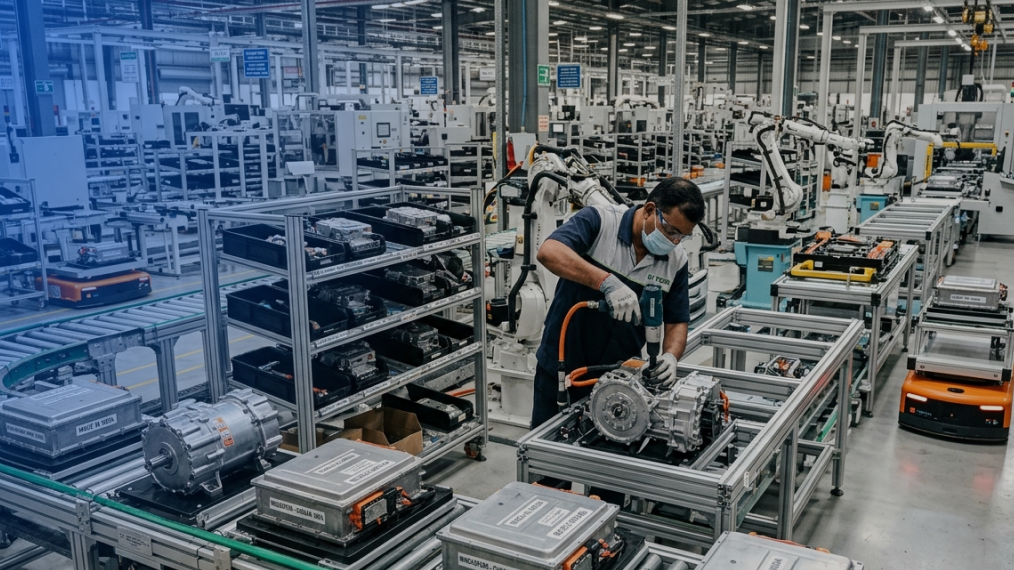
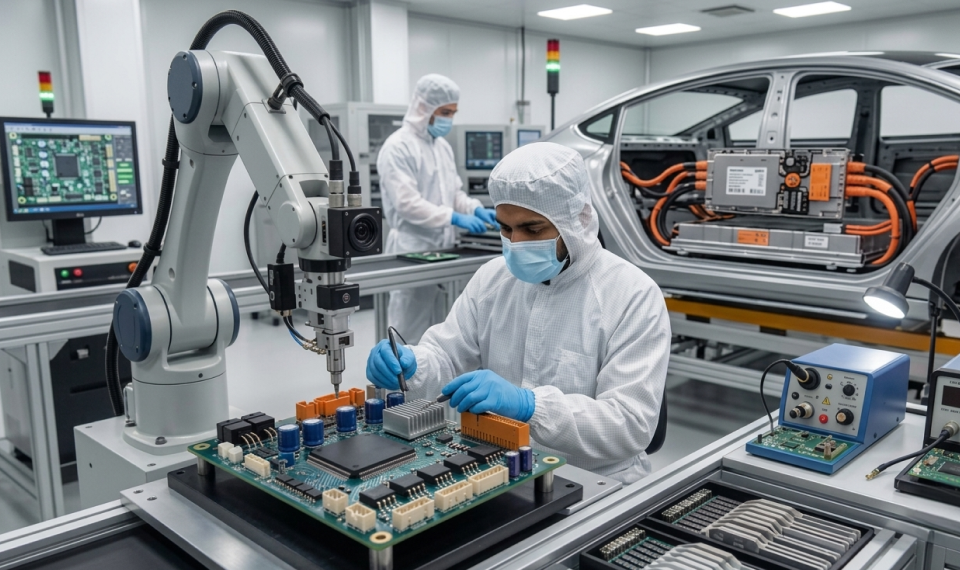
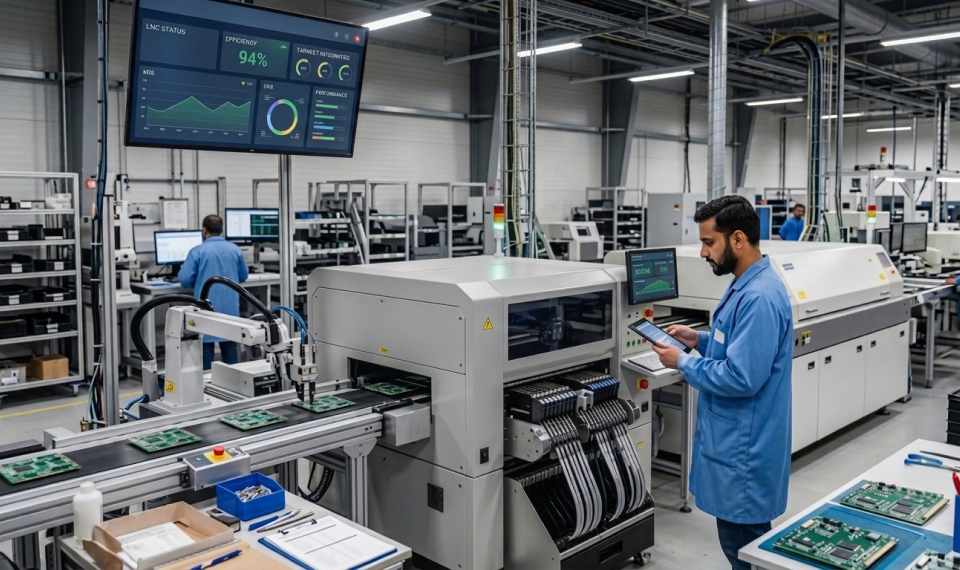
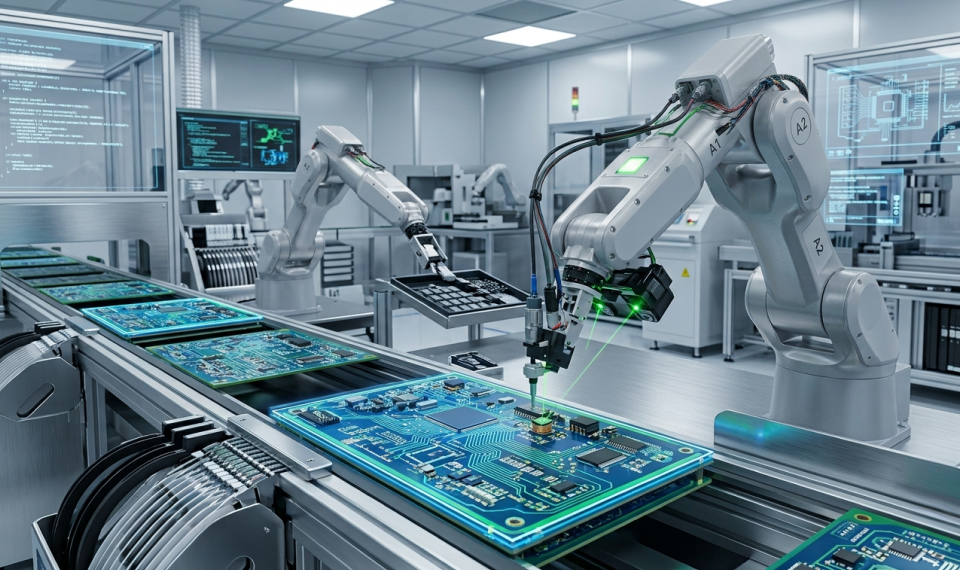
India’s electric vehicle industry is thriving. There are new start-ups coming to the market, major carmakers ramping up production, and government programs still promoting EV adoption. But behind this expansion is a challenge that every EV hardware manufacturer knows well.
Global shortages, shipping delays, and fluctuating supplier availability have led to problems for several EV enterprises. Today’s electric vehicles have hundreds of interconnected electrical components, so the absence of one component can easily disrupt the entire production schedule. That has pushed manufacturers to fundamentally rethink their sourcing approach.
Today, EV manufacturers are not leaning significantly on international suppliers but rather are investing in regional supplier networks to increase resilience and reduce risk. Effective electronics supply chain management has become critical to ensure the continuity of production and to fulfill the increasing market demand.
Why Component Risk Is Growing for Indian EV Manufacturers
Electric vehicles rely on complex electronic systems where design, sourcing, manufacturing, and testing teams must work in close coordination. Batteries, motor controllers, embedded systems, sensors, power electronics, and communication modules are all dependent on consistent component supply.
Common factors increasing supply chain risk:
- Global semiconductor shortages affecting critical ICs.
- Long international shipping and customs delays.
- Heavy dependence on single-source suppliers.
- Frequent fluctuations in raw material availability.
- Rising demand creates unexpected inventory shortages.
These issues affect procurement costs, production timelines, and customer delivery. More crucially, they highlight vulnerabilities in the traditional electronic supply chain, where manufacturers typically have limited access to supplier performance and inventory levels.
How Regional Supply Chains Are Strengthening Electronics Supply Chain Management
Regional supply chains bring sourcing, engineering, manufacturing, and procurement closer to the production facility reducing the distance between decisions and their consequences. This method does not eliminate the worldwide suppliers. Instead, it develops a balanced sourcing approach that increases flexibility and reduces reliance on overseas vendors.
A regional ecosystem typically includes:
Working with regional teams helps engineers and production teams communicate better. Design changes happen faster. Supplier concerns are fixed sooner. Production planning becomes more predictable. This enables greater coordination throughout the whole manufacturing process that translates into benefits in electronics supply chain management.
How Regional Sourcing Reduces Component Risk
Regional sourcing delivers value beyond shorter transportation distances. It creates a more responsive manufacturing ecosystem where technical and operational teams collaborate more effectively.
1. Faster Procurement Cycles
The closer the suppliers are, the less time is spent on transportation, and the less complicated the logistics planning. Purchasing teams get components sooner, helping manufacturing plans stay on track even during high-demand periods. This is also a step towards a healthy EV supply chain as it reduces reliance on long international shipping routes.
2. Better Supply Chain Visibility
Manufacturers need reliable information on inventories, supplier capacity, and schedules for production. Regional partners frequently give faster updates, allowing businesses to respond before delays impede manufacturing. Modern electronics supply chain solutions add more insight through the integration of engineering, procurement, and production, using common digital platforms.
3. Improved Engineering Collaboration
Hardware development is not always a straightforward process. Changes in design, replacement of components, and firmware upgrades are common during the development process. Regional suppliers ease technical conversations, allowing engineers to address manufacturability issues before production begins.
4. Lower Inventory Risk
Having too much inventory adds to the cost, while having too little inventory results in delays in production. Regional sourcing allows producers to restock more often, which allows them to arrange inventory better without interrupting the flow of production.
5. Greater Manufacturing Flexibility
When businesses qualify multiple regional suppliers, production becomes less vulnerable to disruptions. This flexibility is especially valuable for companies producing electric vehicle components, where demand and component availability often change quickly.
Building a Resilient Electronic Supply Chain Starts During Product Design
The first step in reducing sourcing risk happens even before a procurement team places its first buy order. Engineering decisions in the product development process are typically critical to how production survives the subsequent stages.
Several practices help OEM manufacturing units reduce future disruptions:
- Perform BOM optimization during early design stages.
- Conduct DFMA reviews before production approval.
- Select components with multiple qualified suppliers.
- Monitor component lifecycle and obsolescence data.
- Validate alternate parts before production starts.
- Involve sourcing teams during product development.
These practices reduce redesign work, improve sourcing flexibility, and create stronger electronics supply chain solutions throughout the product lifecycle.
Best Practices for Scaling Manufacturing Through Regional Networks
Regional sourcing of electric vehicle components works best when supported by structured planning rather than reactive decision-making.
Manufacturers looking to strengthen their operations should focus on:
- Diversifying suppliers instead of relying on one vendor for critical parts.
- Using digital tools to improve supply chain visibility.
- Reviewing BOMs regularly as market conditions change.
- Building long-term partnerships instead of transactional supplier relationships.
- Integrating procurement with engineering and OEM manufacturing teams to reduce communication gaps.
These initiatives provide operational stability and enable long-term growth across the whole EV supply chain.
How Elecbits Helps EV Hardware Teams Build Smarter Supply Chains
At Elecbits, we believe optimal sourcing is when engineering and manufacturing are aligned. That’s why we offer an end-to-end electronics engineering and manufacturing platform for hassle-free hardware development from prototype to production.
Our AI-powered manufacturing engine, Elecbits XOR, gives organizations the ability to instantly analyze BOMs, detect sourcing risks, optimize component selection, and receive production-ready estimates in minutes. We also provide PCB fabrication, PCB assembly, DFMA analysis, supplier coordination, manufacturing validation, and production planning through one integrated process.
We leverage technical experience, proven supplier networks, and intelligent sourcing analytics to help businesses like Maruti Suzuki, Ola Electric, Siemens, and Motherson optimize their electronics supply chain management and accelerate delivery on difficult hardware programs. From launching new goods to optimizing existing operations, our integrated platform helps organizations make faster, more confident decisions.
Conclusion
India’s electric vehicle industry is entering a phase where manufacturing prowess will be as vital as innovation. Those companies that have greater visibility into sourcing, have diversified their suppliers, and have engaged in regional partnerships are better positioned to absorb uncertainty in the EV supply chain without interrupting production.
Building a stronger electronic supply chain is no longer just a procurement objective. Sourcing, production, engineering, and digital collaboration must all work hand in hand from the early design stages. Taking regional sourcing seriously today will better position companies to scale production, boost operational efficiency, and remain competitive as demand for electric transportation continues to grow.



 Resources Quality standards Reliable methods to keep our quality consistent. Blog Deep dive into market-moving trends.