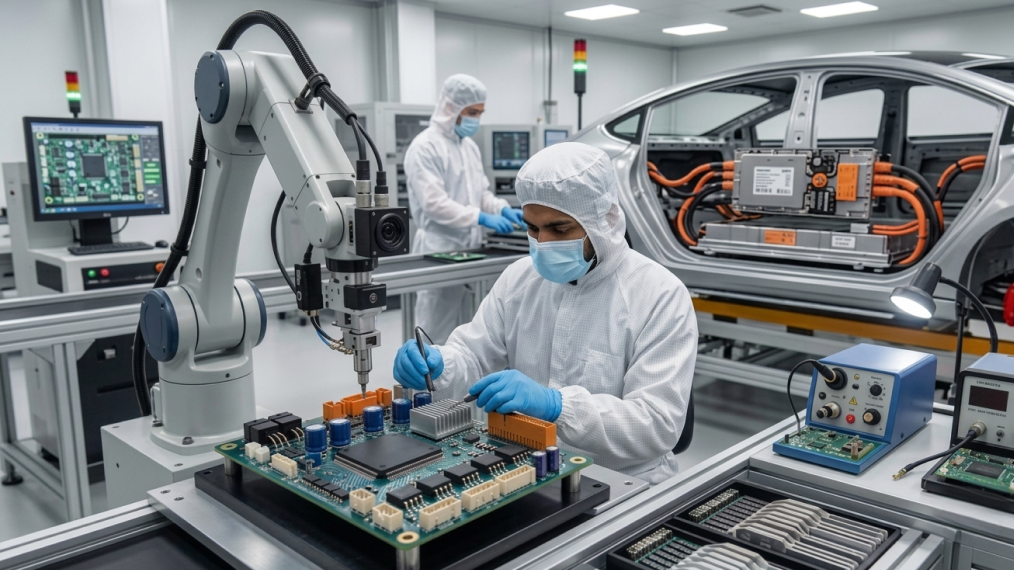
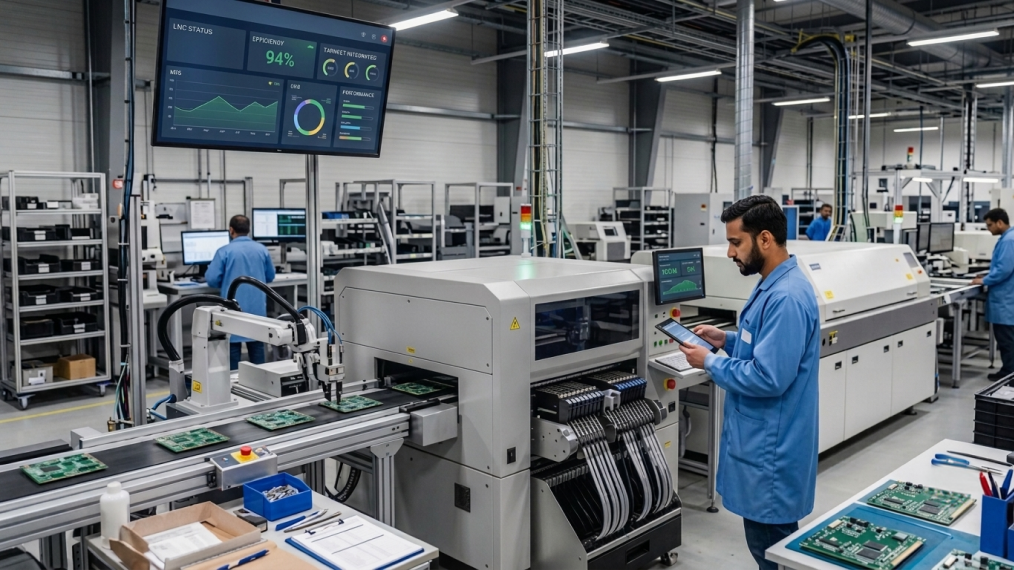
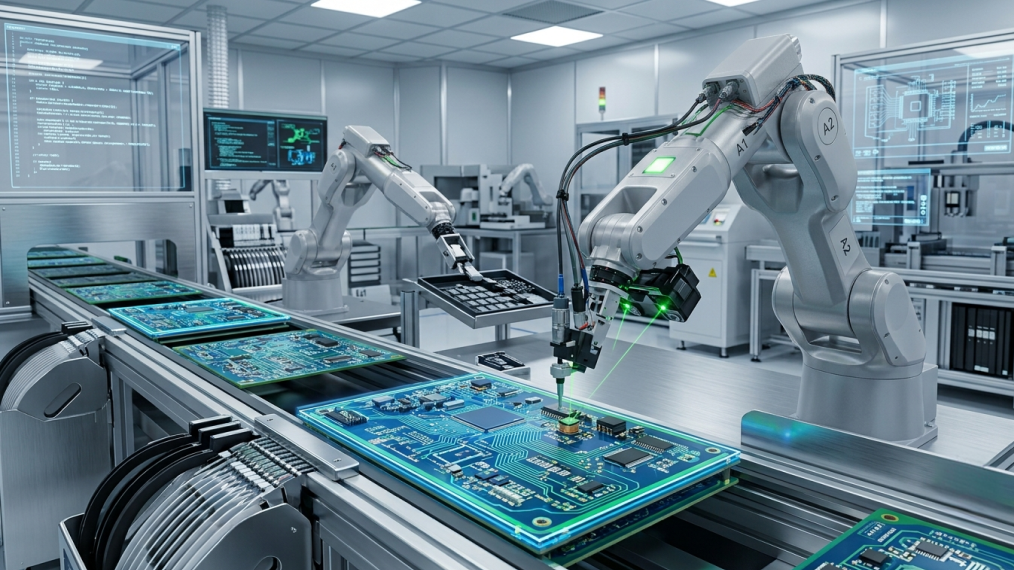
The fintech industry is quickly transforming with companies rolling out smart POS terminals, biometric payment devices, self-service kiosks, and IoT-enabled banking products. While software items can be upgraded in an instant, hardware products need to be carefully planned before going to market.
Each device must go through design, sourcing, PCB assembly, testing, compliance, and production. Managing these steps through several providers sometimes leads to delays, increased prices, and communication gaps. Many companies are turning to turnkey electronics manufacturing services to speed up product launches and streamline development.
In this article, we will explain how turnkey solutions accelerate product development for fintech companies, eliminate delays, and speed up the time-to-market for hardware products.
The Hardware Challenges Behind Fintech Innovation
For fintech businesses creating hardware on a large scale is much more complicated than making a prototype. Reliable sourcing, excellent production, regulatory compliance, and efficient logistics are key to a successful launch.
For instance, a company designing a biometric payment terminal can finish the design on time, but still be held up by shortages in components, PCB rework, or supplier cooperation. These obstacles get considerably more difficult with scaled production
For companies producing financial hardware, a little delay in sourcing or manufacturing might push back a product launch.
Why Turnkey Solutions Speed Up Product Launches
More and more companies are opting for turnkey solutions instead of managing different vendors for PCB fabrication, sourcing of components, assembly, testing, and logistics.
A single partner oversees the whole product lifecycle, making communication easier and minimizing operational complexity. Engineering teams spend less time coordinating with suppliers and more time improving the product.
This integrated approach also helps discover production difficulties early, lowering the need for redesigns and preventing unnecessary delays.
How Electronics Turnkey Solutions Improve Development
Modern electronics turnkey solutions combine engineering and manufacturing into one streamlined process. Every stage is connected, making product development faster and more predictable.
Key capabilities typically include:
- PCB design and review
- BOM optimization
- DFMA (Design for Manufacturing and Assembly)
- PCB assembly
- Embedded systems integration
- Prototype validation
- Functional testing
- Production planning
Since engineering and manufacturing teams work together, design improvements are implemented earlier. This shortens development cycles while improving overall product quality.
Why Early Engineering Collaboration Matters
Many companies engage in production only after the product design has been completed. But production decisions should start during the electronic product development stage.
The cost of fabrication and delivery time will be determined by the type of components chosen, layout of the PCB, design of the enclosure, and testability. Hard-to-obtain components or a PCB design that is not according to the manufacturing requirements may result in additional costs and delays.
When engineering and manufacturing work together from the beginning, products flow into production more smoothly.
Better Supply Chain Visibility Reduces Risk
The global electronics supply chain continues to experience disruptions in the form of semiconductor shortages and lead time variability.
Businesses that rely on turnkey electronics manufacturing services have increased visibility when sourcing and production are both controlled simultaneously. This allows teams to optimize the BOM, find alternate components, and arrange procurement before shortages impact manufacturing.
This proactive technique allows businesses to keep production schedules and increase delivery performance.
Turnkey Partnerships vs. Contract Electronics Manufacturing
Traditional contract electronics manufacturing usually begins after product design is complete. Businesses often manage sourcing, engineering, and quality activities separately.
Turnkey collaboration covers a larger scope by combining engineering, procurement, manufacturing, testing, and logistics into one comprehensive package. The partner doesn't just assemble the product but becomes involved in the entire production process to ensure efficiency.
This collaborative model is especially valuable for companies involved in fintech product development, where speed and product reliability directly affect market success.
How Elecbits Supports Fintech Hardware Innovation
Building successful fintech hardware requires more than manufacturing expertise. It demands a partner that can manage the complete product journey - from concept and engineering to production.
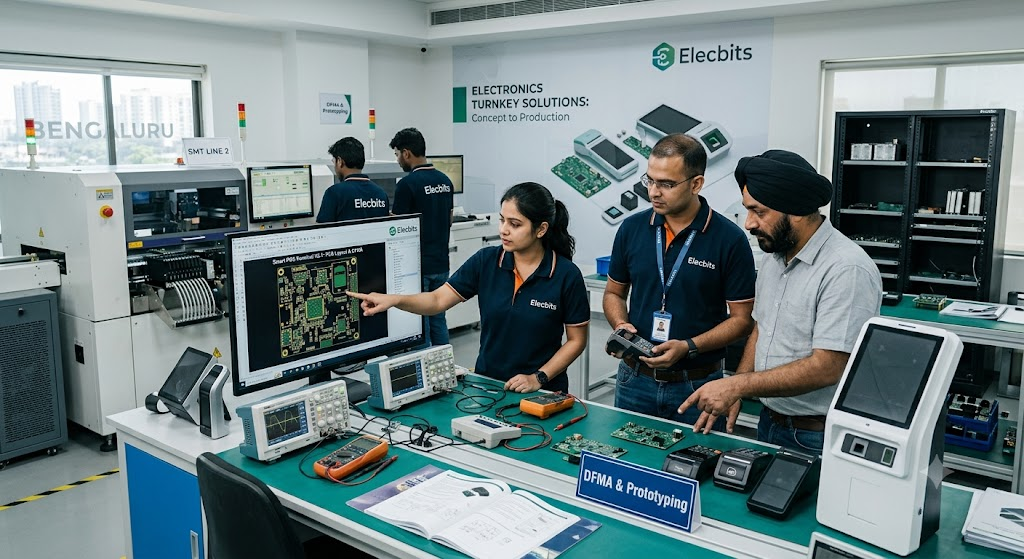
Elecbits works as an end-to-end electronics product development and manufacturing partner, helping fintech companies transform ideas into production-ready hardware through a single, integrated ecosystem. Instead of engaging separate vendors for design, embedded systems, PCB development, prototyping, sourcing, manufacturing, and testing, businesses can manage the entire product lifecycle under one roof.
Our team collaborates from the earliest stages of product architecture, applying DFMA, optimizing component selection, developing embedded hardware and firmware, validating prototypes, and preparing products for scalable manufacturing. By combining engineering expertise with manufacturing execution, we minimize delays and improve design-to-production continuity, helping fintech companies bring innovative hardware products to market faster.
Conclusion
Building fintech hardware is not only about efficient manufacturing. It requires close working relationships between engineering, sourcing, testing, and production teams.
Turnkey solutions allow firms to simplify complicated procedures, lower development risk, and accelerate product launch schedules. And the availability of strong electronics turnkey solutions gives organizations the flexibility and operational efficiency to participate in today's fast-moving fintech sector.
The choice of an end-to-end electronics partner is no longer simply a production option but rather a strategic benefit for long-term growth.


 Resources Quality standards Reliable methods to keep our quality consistent. Blog Deep dive into market-moving trends.