Hardware companies rarely struggle because they cannot build a product. Most struggles begin later - during sourcing, scaling, testing, or production handoff. A prototype works perfectly in the lab, but once manufacturing starts, suddenly there are delayed components, inconsistent PCB assembly quality, or unexpected redesign costs. It happens more often than people admit.
That is why selecting the right EMS manufacturers is not just another procurement task. It can directly affect timelines, product reliability, and even customer trust.
A lot of businesses initially compare vendors only on pricing. Fair enough. Budgets matter. But cheap production can become expensive very quickly when communication breaks down or supply chain issues start piling up.
The better approach is to evaluate how well a manufacturing partner can actually support your product long term.
What Modern EMS Companies Really Do
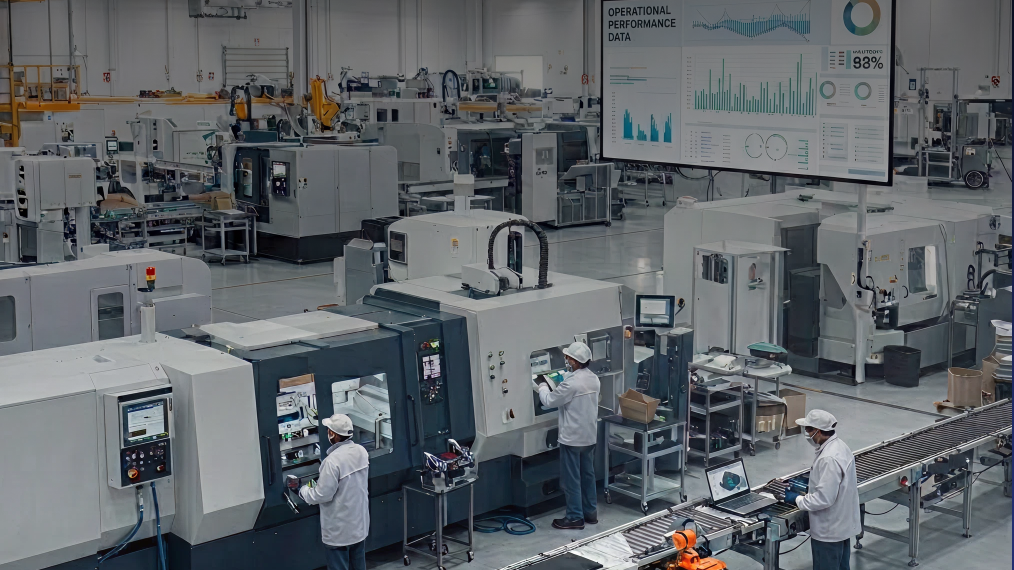
Many people still think electronics manufacturing is simply about assembling boards and shipping products. That picture is outdated.
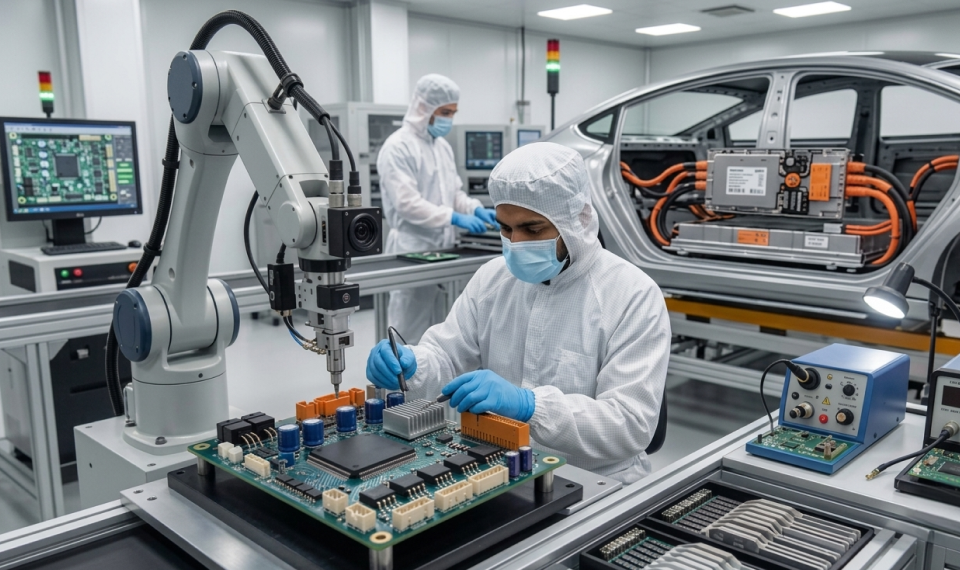
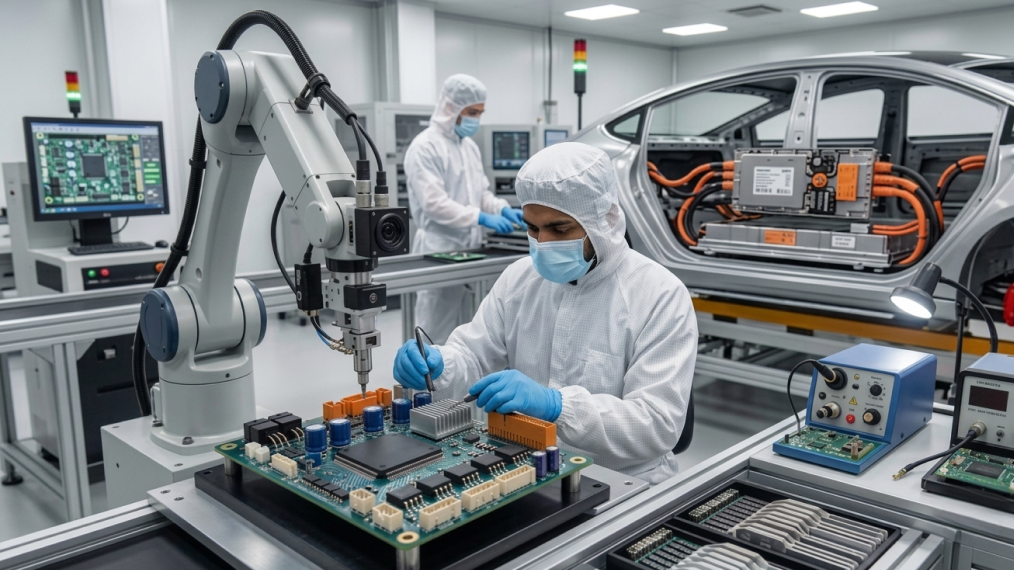
Many modern EMS companies also offer a lot of engineering support, source components, do testing, prototyping and help you optimize production. Some will even help you improve your DFMA compliance or even suggest BOM changes before you start manufacturing.
Imagine a company designing a smart industrial monitoring device. The design looks production-ready on paper. Then the manufacturer points out that two components have unstable lead times and one PCB layout section may fail during automated assembly. Catching those issues early can save months of frustration later.
That kind of practical involvement matters more than flashy production numbers.
Engineering Support Is Usually Underrated
This is something many procurement teams realize only after a failed production cycle: manufacturing problems often start long before production.
An experienced EMS provider should review Gerber files, assembly requirements, component availability, and manufacturing risks before the first production batch even starts. If they are only waiting for files and purchase orders, that is probably a red flag.
Especially in products involving embedded systems or multilayer PCB assembly, small design flaws can create massive production inefficiencies later. A misplaced component footprint or thermal issue may look minor during prototyping but become painful at scale.
Good engineering collaboration reduces those surprises.
And honestly, the best manufacturing partnerships usually feel less transactional. The teams ask questions. They challenge assumptions. Sometimes that friction is actually useful.
Supply Chain Visibility Matters More Than Ever
Over the last few years, hardware companies learned a hard lesson about sourcing risks. Components disappear. Lead times change overnight. Prices fluctuate without warning.
This is why contract electronics manufacturing companies need to have sourcing transparency at the top of their mind.
A good EMS partner will be transparent about how they source components, whether they use authorized distributors and what contingency sourcing plans are in place. Visibility matters. Without it, procurement teams are left reacting to problems instead of planning around them.
Some EMS manufacturers also help with lifecycle management and alternate component recommendations, which becomes valuable during scaling.
Production delays rarely happen because of one giant mistake. Usually, it is ten small supply chain issues stacking together quietly.
Quality Control Cannot Be Just a Checklist
Every manufacturer says they deliver quality products. The real question is how they maintain consistency when production volumes increase.
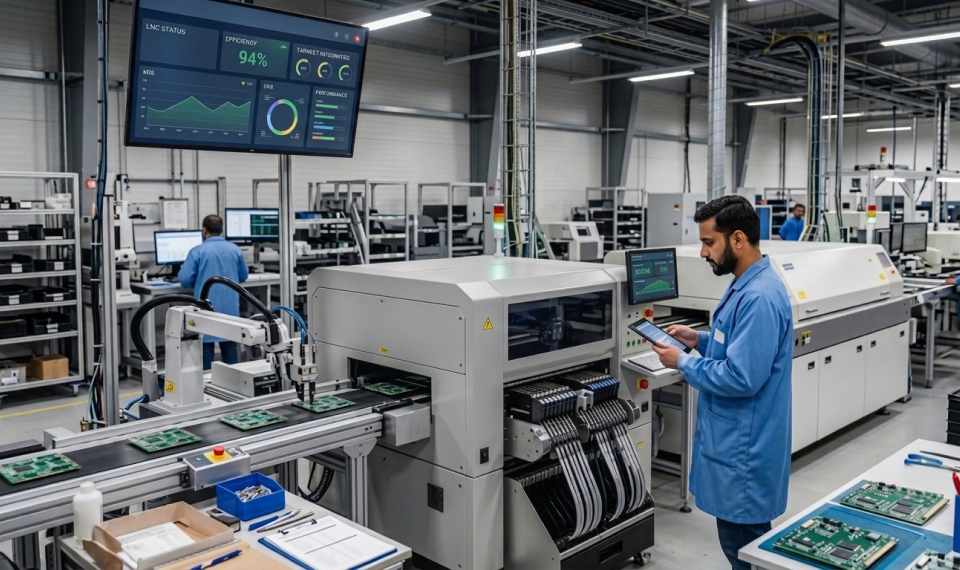
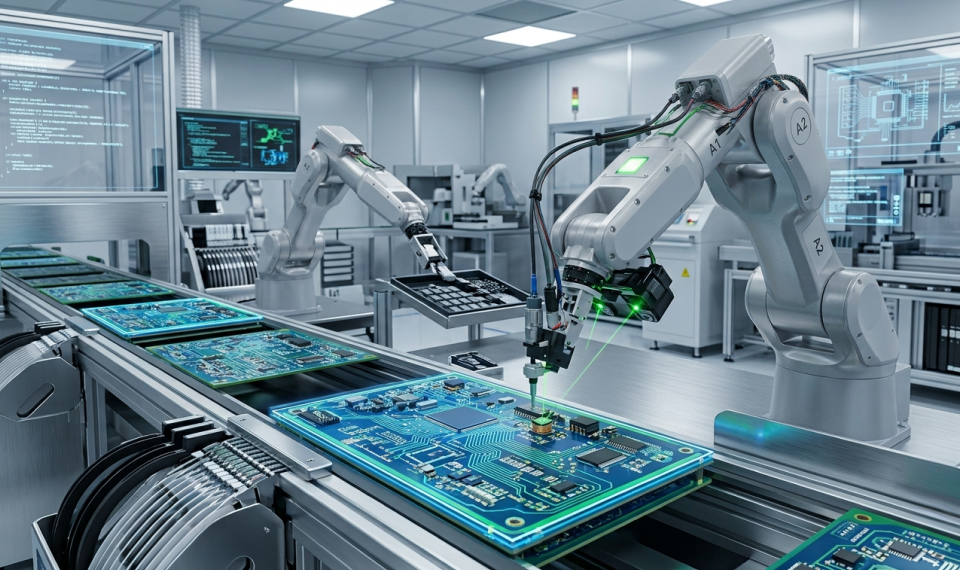
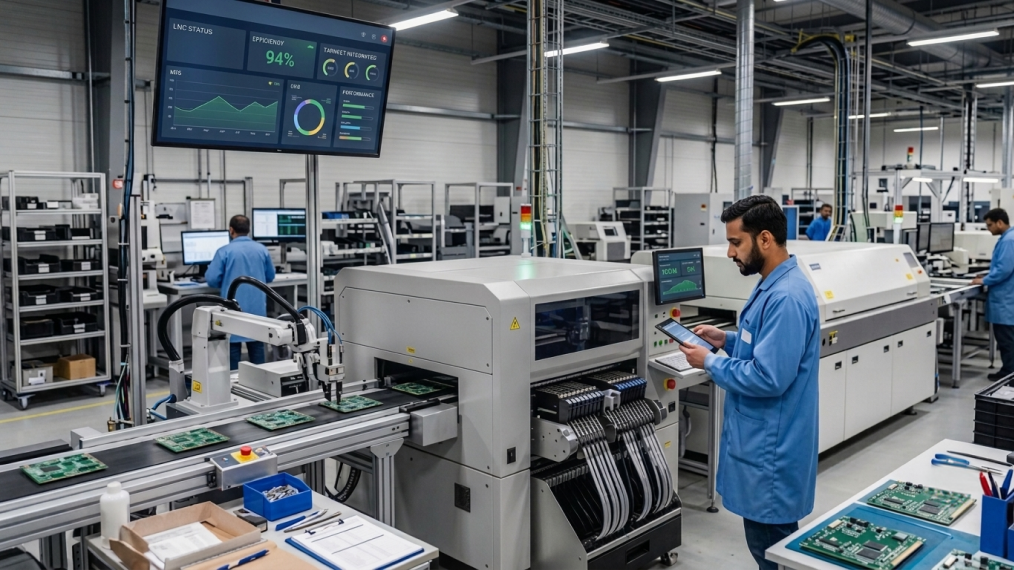
When evaluating EMS manufacturers, ask about inspection systems and testing capabilities. A mature operation typically includes the processes of automated optical inspection (AOI), functional testing, in-circuit testing and reliability validation.
For example, industrial electronics products may require thermal testing or vibration validation before they are released. Consumer products may require more focus on assembly consistency and firmware testing.
A good EMS provider will also document defects and track repeat failures in production and will constantly improve the accuracy of the manufacturing process. Quality control works best when it is built into the workflow - rather than added on at the end like a safety net.
Scaling Changes Everything
A manufacturing setup that works for 500 units may completely fail at 50,000.
That scaling gap catches many businesses off guard.
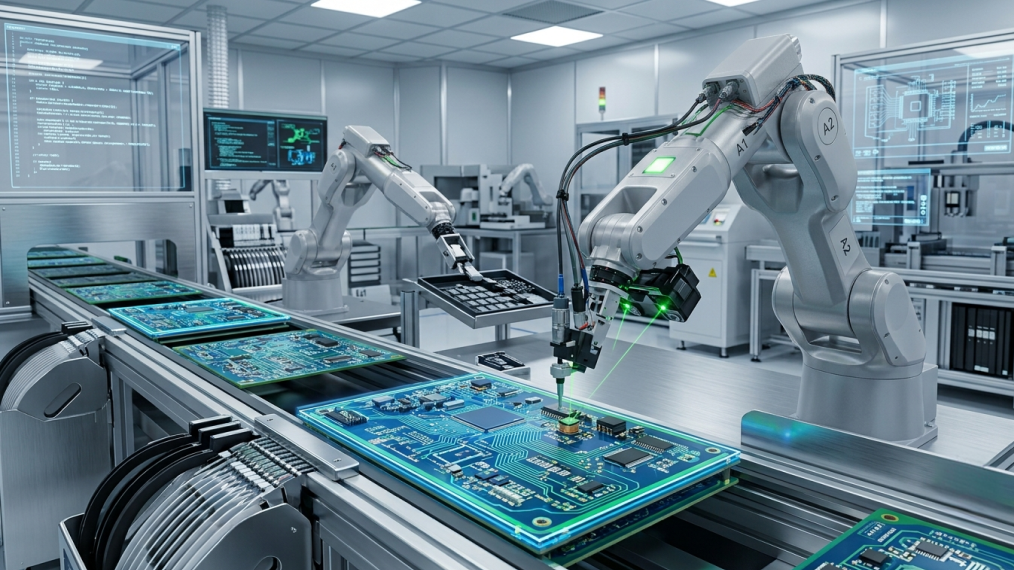
The right EMS companies should support both prototyping and volume manufacturing without forcing major process disruptions later. That includes factory capacity, automation readiness, reporting systems, and testing infrastructure.
This becomes especially important for growing hardware startups. Early-stage production is often flexible and fast-moving. Large-scale production is not. Without structured workflows, delays start appearing everywhere.
Why Elecbits Is a Strong EMS Partner for Growing Hardware Companies
Elecbits supports hardware companies through integrated electronics engineering and manufacturing services. Our platform provides a connected workflow for PCB design, embedded systems development, prototyping, sourcing, testing and production support.
Elecbits helps companies to coordinate better over the whole product lifecycle, rather than dividing engineering and manufacturing into separate stages. This is particularly useful when companies are looking to scale up production or reduce sourcing inefficiencies.
For businesses exploring contract electronics manufacturing, this kind of connected support can simplify operations and improve production readiness.
Conclusion
Choosing the right manufacturing partner is not really about finding the cheapest quote anymore. It is about reducing risk before problems become expensive.
A strong EMS partner helps businesses improve visibility, strengthen production quality, manage sourcing uncertainty, and scale more smoothly over time.
And in hardware manufacturing, that kind of reliability is worth more than the cheapest quote on the market.



 Resources Quality standards Reliable methods to keep our quality consistent. Blog Deep dive into market-moving trends.