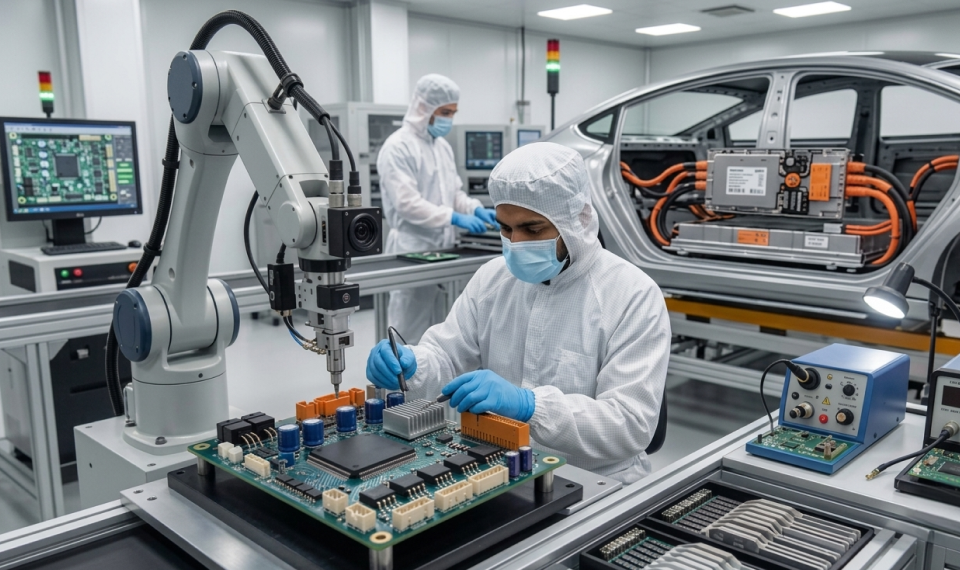
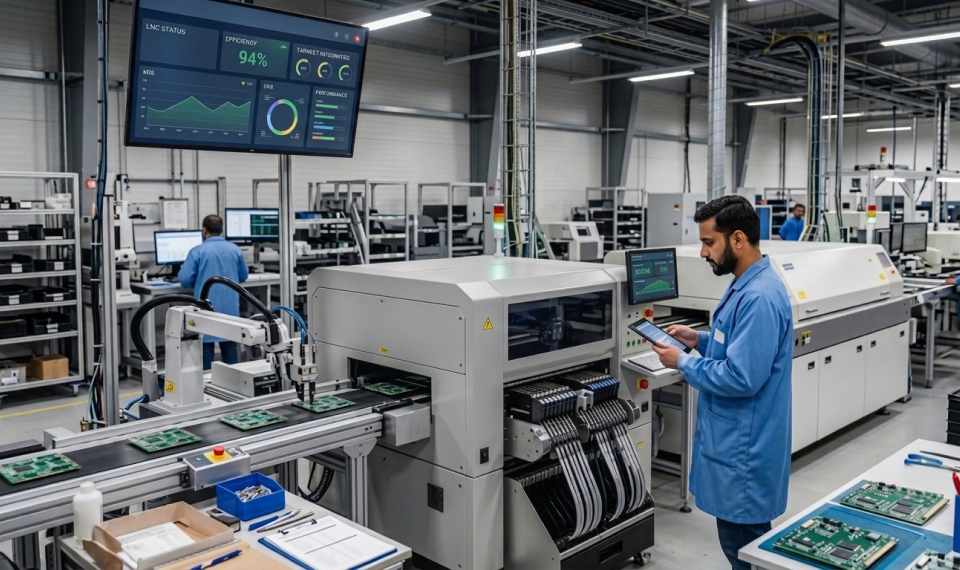
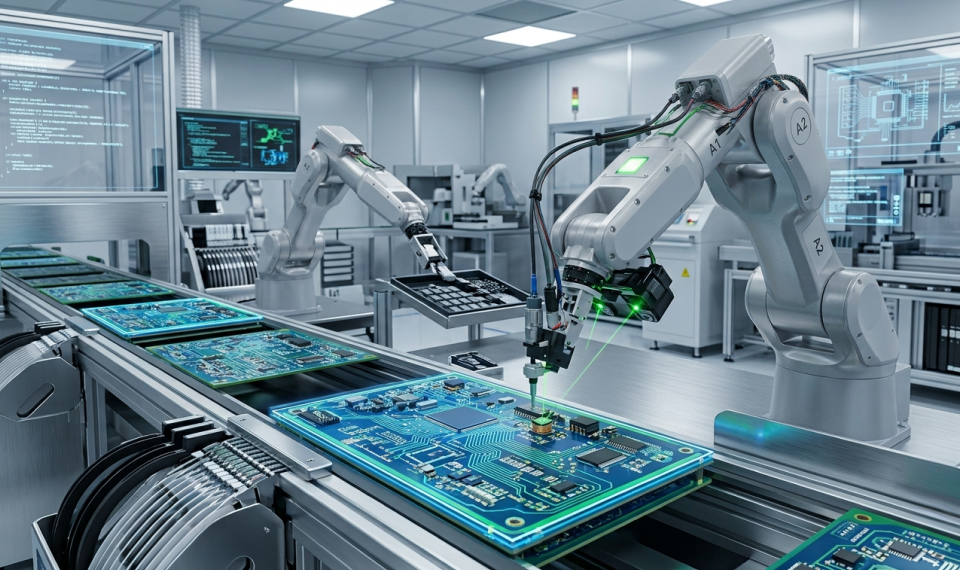
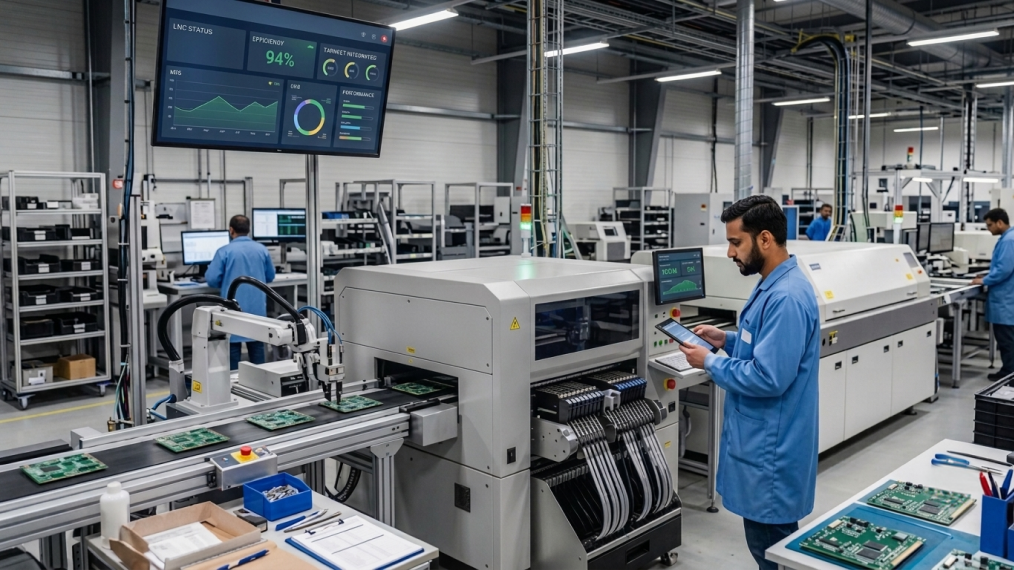
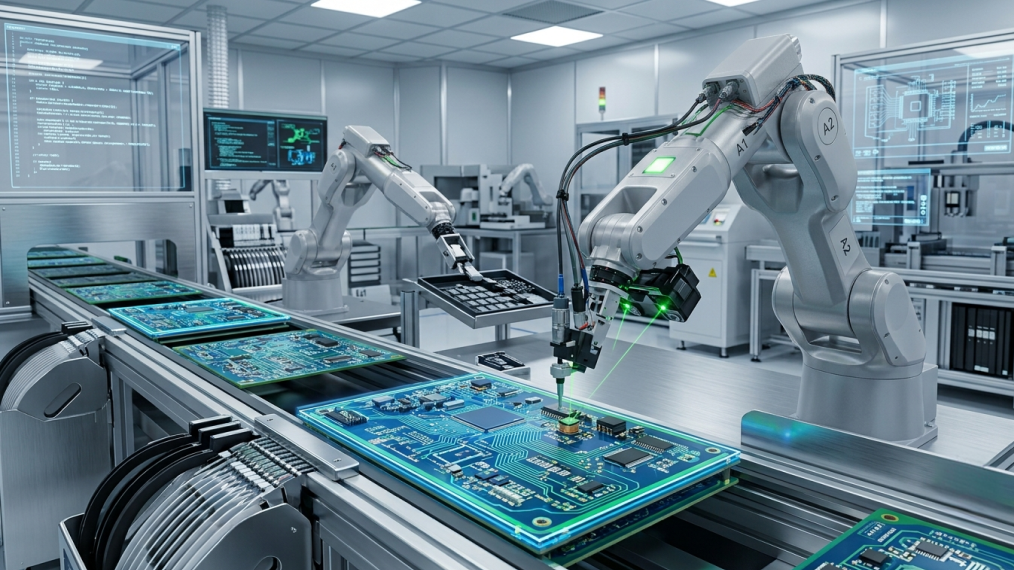
For years, hardware companies chased the lowest manufacturing quote they could find. On paper, it made sense. Lower production costs meant better margins.
But in 2026, that equation feels a lot messier.
A factory quote may look cheap initially, then shipping delays push back your launch by six weeks. A PCB assembly batch fails testing. Components suddenly become unavailable. Your engineering team spends more time fixing production issues than building the next product.
That's the part many businesses don't calculate.
Today, enterprises are rethinking how they approach electronics manufacturing services because "cheap" manufacturing often becomes expensive later, especially when products involve embedded systems, IoT devices, EV hardware, or industrial electronics.
1. Quality Problems Cost More Than Most Teams Expect
Cheap manufacturing usually looks attractive during procurement discussions. The trouble starts after production begins.
A connector fails during vibration testing. Thermal performance drops because low-grade components were substituted. Firmware flashing becomes inconsistent across batches. None of these problems seems huge individually, but together they create warranty claims, returns, and delayed deployments.
This happens often in large-scale electronics contract manufacturing setups where production speed gets prioritized over process control.
And honestly, hardware failures are expensive in ways spreadsheets rarely capture. One bad batch can damage customer trust for months.
Successful electronics design and manufacturing depend on close engineering collaboration in prototyping, testing, and scaling. Without that coordination, small manufacturing issues quietly turn into operational headaches.
2. Shipping Delays Quietly Kill Timelines
Global logistics still feels unpredictable.
One month, freight rates stabilize. The next month, ports get clogged because of customs backlogs or geopolitical disruptions. Hardware companies end up constantly shifting timelines.
The hidden cost is not just transportation fees. It's uncertainty.
A late shipment can cause distributor commitments, product launches and revenue projections to be pushed back. Missing a seasonal launch window for a consumer device can hurt more than a slightly higher manufacturing quote ever would.
This is why many companies are reconsidering electronics manufacturing outsourcing strategies built entirely around offshore cost savings.
To mitigate risk, businesses tend to stock excess inventory. This, however, creates another problem. Warehousing costs increase and obsolete components become dead stock after design changes.
Modern electronics engineering solutions are heavily dependent on supply chain visibility, sourcing flexibility and faster iteration cycles.
3. Communication Gaps Slow Product Development
Hardware development moves quickly when engineering and manufacturing teams stay aligned.
It becomes frustratingly slow when they don't.
A simple design revision involving antenna placement, thermal management, or PCB layout can take weeks to communicate correctly across different vendors and time zones.
One supplier handles components. Another manages testing. Someone else performs the final assembly. Eventually, nobody fully owns the problem.
Companies working with overseas electronics manufacturing services providers often experience fragmented communication when scaling. Product managers spend hours chasing updates instead of improving products.
Speed is critical in electronics design and manufacturing. Changes that take too long impact time-to-market.
The manufacturers that are successful in 2026 tend to be those that combine engineering support, sourcing, testing and production into a more integrated workflow.
4. Compliance Failures Create Expensive Rework
Compliance problems usually appear late in the process. That's what makes them painful.
A product may require EMC testing, safety validation, environmental compliance, or material traceability depending on the industry. If those requirements are ignored early, redesigns become unavoidable later.
Some low-cost vendors focus heavily on production output while treating documentation and validation as secondary tasks.
That approach rarely ends well.
Companies that leverage cheap overseas electronics contract manufacturing partnerships often underestimate the cost of failed compliance cycles. Test products again, redesign boards, and repeat validation cycles and profit margins are quickly eroded.
Good electronics engineering solutions include certification planning and production validation from the beginning, not after problems appear.
5. Poor Supply Chain Visibility Creates Long-Term Risk
Many offshore manufacturing ecosystems still work with fragmented tracking systems and limited transparency.
Sometimes businesses aren't aware of when suppliers change components, where parts come from and whether inventory shortages are developing.
That becomes dangerous at scale.
A startup producing 2,000 units may survive operational inefficiencies. An enterprise manufacturing 200,000 devices cannot.
Counterfeit parts, supplier shutdowns and sudden sourcing disruptions are serious risks in global electronics manufacturing outsourcing networks.
This is why businesses are increasingly looking for electronics manufacturing partners that provide centralized oversight, predictive procurement planning, and integrated quality monitoring.
Why Hardware Companies Choose Elecbits for Scalable Electronics Manufacturing
Elecbits simplifies hardware development for companies with end-to-end integrated electronics design and manufacturing solutions. From PCB design and embedded systems development to prototyping, component sourcing, testing, and turnkey manufacturing, we have a connected workflow.
We know that when engineering, sourcing and manufacturing teams work in silos, scaling hardware products is difficult. That's why we built Elecbits XOR, our AI-powered platform that addresses modern supply chain challenges.
XOR brings BOM management, live component sourcing, and engineering visibility into one workspace, helping enterprises move from prototype to production faster and with fewer bottlenecks. For companies building complex hardware products, our goal is simple - make electronics manufacturing services more reliable, transparent, and easier to scale.
Conclusion
In 2026, smart hardware companies are looking beyond manufacturing costs. They're taking a closer look at quality consistency, supply chain visibility, engineering support and production reliability.
Because in electronics, small operational gaps rarely stay small for long. A delayed shipment, a failed testing cycle, or a sourcing issue can slow down an entire product roadmap.
The companies scaling successfully today are usually the ones building stronger manufacturing ecosystems early - not the ones chasing the lowest quote every single time.



 Resources Quality standards Reliable methods to keep our quality consistent. Blog Deep dive into market-moving trends.